
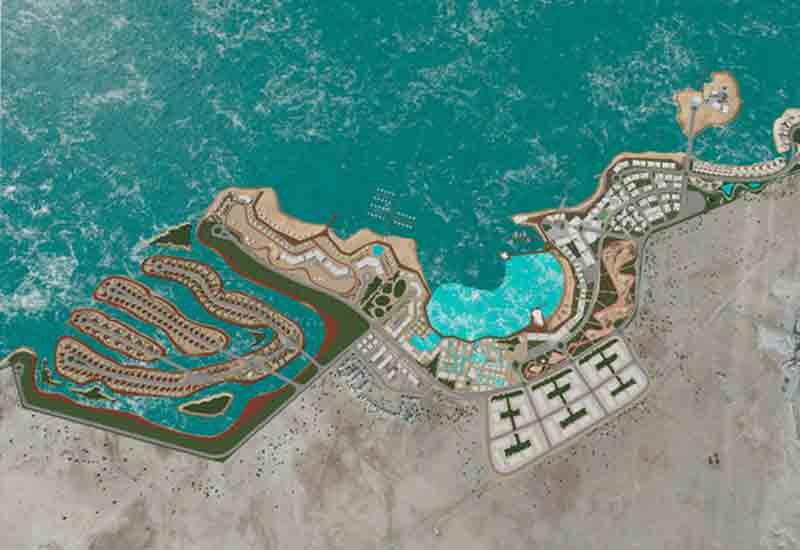
Bahrain’s Electricity & Water Authority (EWA) has opened bidding for a new seawater reverse osmosis (SWRO) desalination plant on Hawar Island, off the kingdom’s southeastern coast. The tender opened in late August, with proposals now being reviewed from regional utility developers, including Saudi-based ACWA Power.
While modest in scale compared to Bahrain’s larger national water projects, the Hawar Island plant is a useful case study in what SWRO infrastructure actually demands from suppliers — and why valve selection matters more here than in almost any other type of water project.
Project Overview
The plant is being delivered on an engineering, procurement, and construction (EPC) basis, with a reported output capacity of around 300 cubic metres of potable water per day. Completion is expected within roughly a year of the contract being awarded. Given Hawar Island’s remote, offshore location, the facility will also need to be self-sufficient and low-maintenance, since routine servicing access will be more limited than for a mainland plant.
Why SWRO Plants Are Valve-Intensive by Design
Seawater reverse osmosis is one of the more demanding applications in industrial water treatment, and that shows directly in the valve specification required at nearly every stage of the process:
- Intake valves need to handle continuous exposure to raw seawater, along with the sediment, marine growth, and debris that come with it.
- High-pressure valves are essential at the RO membrane stage, where seawater is forced through membranes at pressures that can exceed 60–80 bar — far higher than typical municipal water systems.
- Check valves prevent backflow through the high-pressure pump train, protecting membranes and pumps from damage during shutdowns or pressure fluctuations.
- Brine discharge valves manage the concentrated waste stream, which is significantly more corrosive than regular seawater due to its elevated salinity.
Because of this, valve materials for SWRO applications typically need to be corrosion-resistant grades — often duplex stainless steel, super duplex, or specially coated alternatives — rather than standard carbon steel used in less demanding water infrastructure.
What This Means for Regional Suppliers
Smaller-scale projects like Hawar Island still follow the same qualification standards as larger national plants. Whichever contractor is awarded the EPC contract will need to source valves and related equipment from suppliers who can demonstrate:
- Proven experience with marine-grade, corrosion-resistant valve materials
- Compliance with relevant desalination and water-sector standards
- A track record with GCC utility authorities, given how closely EWA, DEWA, and similar bodies scrutinize vendor qualifications
For suppliers already active in the region’s SWRO space, projects like this — even at a smaller scale — are a reminder that consistent qualification and documentation matter just as much for a 300 m³/day island plant as for a mega-project.
The Bigger Picture
Hawar Island is one of several desalination initiatives currently moving through Bahrain’s pipeline, alongside larger developments like the Sitra Independent Water and Power Plant. Together, they reflect a broader regional pattern: as GCC states continue to rely heavily on desalinated water — in Bahrain’s case, the majority of the country’s drinking water — the pace of new SWRO tenders is likely to remain steady in the years ahead.
GCCValves supplies valve systems suited to demanding water and desalination applications across the GCC, including corrosion-resistant options for seawater and brine service. To learn more about our SWRO-suitable product range, [explore our catalogue] or [get in touch with our team].