
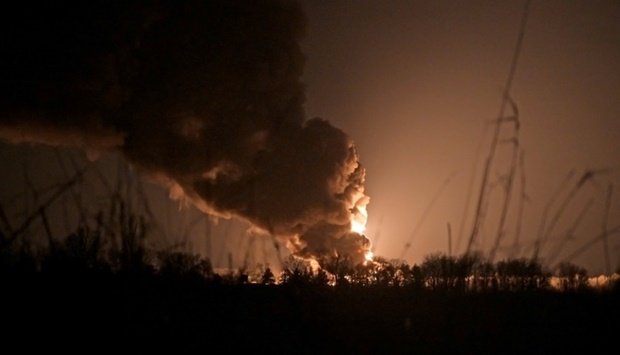
The recent geopolitical tensions involving the United States, Israel, and Iran have once again demonstrated how deeply interconnected the global economy is with oil and gas markets. The Gulf Cooperation Council (GCC) region, being one of the world’s largest energy hubs, inevitably feels the impact of such volatility.
From fluctuations in crude prices to slowed import-export movement, the ripple effects across pipelines, valve supply chains, MEP projects, and infrastructure development have been visible across the region.
However, history shows that periods of uncertainty are often followed by recalibration and renewed momentum.
Let us analyze what the aftermath may look like if tensions de-escalate in the near term.
Impact on Oil & Gas Operations in the GCC
Oil and gas remain the backbone of GCC economies. During geopolitical instability:
- Capital expenditure (CAPEX) is typically reduced.
- Operational expenditure (OPEX) comes under review.
- Expansion and turnaround projects may be delayed.
- Procurement cycles slow down.
Major national oil companies such as:
- Saudi Aramco
- ADNOC
- QatarEnergy
- KNPC
- KOC
- BAPCO
may temporarily pause new expansions but rarely halt core production for extended periods. These entities operate within long-term strategic frameworks and are structured to withstand short-term geopolitical disruptions.
Once stability is restored, production normalization usually occurs rapidly. Historically, oil markets adjust quickly after conflict-related spikes.
Strait of Hormuz & Regional Trade Stability
One of the primary concerns during such conflicts is the security of the Strait of Hormuz — a critical global shipping corridor.
A ceasefire agreement ensuring:
- Safe maritime movement
- No mining of sea lanes
- No regional security threats
would significantly stabilize trade confidence.
When trade routes reopen fully and shipping insurance risks decline, import-export activity rebounds quickly.
What Happens to the GCC Market After De-escalation?
If tensions ease within weeks rather than months, several outcomes are likely:
1. Oil Prices Normalize
Oil prices may return to more sustainable levels. This helps governments forecast revenues more confidently and resume budget allocations.
2. Gradual Resumption of CAPEX
Large-scale expansion projects may not restart immediately but will likely resume after risk reassessment.
3. Delayed But Not Cancelled Projects
Pipeline expansions, refinery upgrades, and gas processing facilities are long-term strategic investments. Delays are common; cancellations are rare.
Impact on Valves, Pipelines & Industrial Supply
For traders and manufacturers in:
- Industrial valves
- Pipes & fittings
- MEP components
- Firefighting systems
- Infrastructure supply
this period may feel slow.
However, there is an important silver lining:
Companies that survive the slowdown often emerge stronger due to:
- Reduced competition
- Consolidation of weaker players
- Increased market share
- Stronger supplier relationships
When projects resume, demand for:
- API valves
- Control valves
- Pipeline components
- Industrial-grade MEP materials
can rise sharply due to backlog execution.
UAE Real Estate & Infrastructure Outlook
The UAE real estate boom projects are driven by long-term structural goals, not short-term geopolitical events.
However, potential short-term impacts may include:
- Slight momentum loss
- Temporary funding hesitations
- Increased labor cost due to workforce migration
- More cautious investor sentiment
Large sovereign-backed initiatives are unlikely to be abandoned. Government support mechanisms typically stabilize such sectors.
Saudi Vision 2030 & Mega Projects
Projects aligned with Vision 2030 including industrial cities, energy diversification, and infrastructure upgrades are multi-decade national transformations.
Short-term geopolitical tensions may delay phases but do not eliminate strategic intent.
Once stability is confirmed, government-backed capital deployment often accelerates to restore economic confidence.
The Strategic Window for Traders & Manufacturers
For businesses that have recently established operations in the GCC:
This is undoubtedly a testing phase.
But markets historically reward:
- Financial discipline
- Strong supplier networks
- Inventory readiness
- Strategic patience
If the conflict ends swiftly, companies positioned with inventory, approvals, and ready supply chains may experience a significant post-stability surge.
In many cases, downturns create opportunity for market consolidation and long-term dominance.
Final Outlook: Short-Term Volatility, Long-Term Stability
While war always brings uncertainty and economic strain, the GCC region has historically demonstrated resilience.
If de-escalation occurs within a short timeframe:
- Oil markets are likely to normalize quickly. (As the demand for it is highest)
- Core operations of NOCs will resume steadily.
- Infrastructure and MEP projects will regain momentum.
- Industrial supply demand may rebound with backlog-driven urgency.
The key for businesses today is preparation, not panic.
Strategic positioning during periods of uncertainty often determines who leads when stability returns.
For purchasing high quality industrial valves please click here, Also make sure to visit middleeastpiping.com for pipes & fittings in GCC.